Accounting & reporting
Accounting & Bookkeeping
Accurate record keeping is essential to understanding your business's financial health. We manage your day-to-day accounting so you can stay focused on running the business.
The challenge
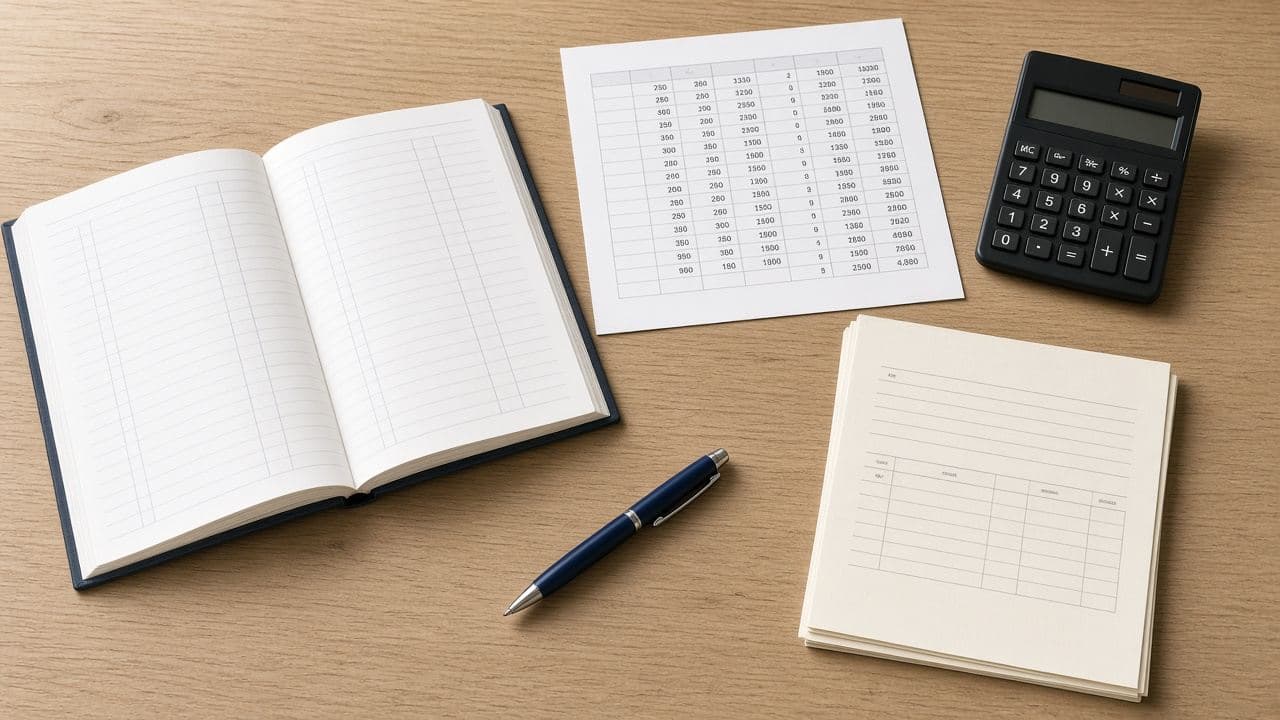
Receipts pile up, bank statements go unreconciled and month-end becomes a scramble. Without reliable books it is hard to know whether you are profitable, to file VAT or corporate tax correctly, or to answer a bank's or investor's questions with confidence.
How Lexor helps
Lexor becomes your outsourced accounting function. We record transactions, reconcile your accounts and prepare clear, reliable financial statements from the information you provide — with a regular reporting rhythm so you always know where your business stands.
What's included
Day-to-day bookkeeping
Recording sales, purchases, expenses and payments accurately in your accounting system.
Bank and account reconciliations
Matching your books to bank, card and supplier statements so balances can be trusted.
Financial statement compilation
Preparing profit and loss, balance sheet and supporting schedules from the information you provide.
Management reporting
Periodic reports that show performance, cash position and key trends in plain language.
Tax-ready records
Books organised so VAT and corporate tax filings can be prepared accurately and on time.
Audit-ready files
Well-documented records that make an external audit, if you need one, smoother.

Who it's for
- Owner-managed businesses without an in-house accountant
- Growing SMEs whose transaction volume has outpaced spreadsheets
- Companies that need reliable figures for tax filings, banks or investors
- Businesses catching up on months of unrecorded transactions
How the engagement works
- 1
Review
We look at your current records, systems and transaction volume.
- 2
Set up
We agree a chart of accounts, document flow and reporting calendar.
- 3
Record & reconcile
We keep your books up to date and reconcile them regularly.
- 4
Report
You receive clear statements and reports on an agreed schedule.
Compliance considerations
Summary for general guidance only, reviewed October 2026. Tax and regulatory rules change — confirm current requirements with the official authority or speak to us about your situation.
- UAE corporate tax rules require businesses to keep accounting records and financial statements, generally for at least seven years after the end of the relevant tax period.
- Financial statements for corporate tax purposes are generally prepared under IFRS (or IFRS for SMEs where eligible).
- Certain businesses — including those with revenue above AED 50 million and Qualifying Free Zone Persons — must maintain audited financial statements.
- VAT-registered businesses must keep the records required under VAT law, generally for at least five years.
Official source:
Frequently asked questions
In most cases, yes. Tell us which system you use during your consultation and we'll confirm how we can work with it.
Yes. We can scope a catch-up exercise to bring your records up to date, then move you onto a regular bookkeeping routine.
Our accounting service prepares and organises your records and financial statements. If your business needs an audit, we'll help make sure your records are ready for your appointed auditor.
Fees depend mainly on transaction volume and reporting frequency. We prepare a free, customised quote after understanding your needs.
Related services
VAT Services
UAE VAT registration, return preparation and day-to-day VAT compliance support.
Corporate Tax Services
UAE corporate tax registration, return preparation and planning — organised, compliant and explained step by step.
Financial Advisory
Practical guidance on budgeting, forecasting and major financial decisions for long-term stability and growth.
Discuss Accounting & Bookkeeping with Lexor
Tell us about your business and we'll come back with a clear scope and a free, customised quote.